
Electricity powers modern homes, providing convenience and comfort, yet it also carries inherent risks that often go unnoticed. Understanding this duality is crucial for homeowners and property buyers. Electrical systems, if not properly maintained, can lead to serious hazards including fires and electrocution. Professional home inspections play a vital role in ensuring electrical safety and efficiency, making them indispensable for anyone looking to purchase or maintain a property.
Identifying Electrical Hazards
Professional inspectors are trained to identify potential electrical hazards that may not be immediately apparent to the untrained eye. These hazards include outdated wiring systems, such as knob-and-tube or aluminum wiring, which are no longer compliant with current safety standards. Inspectors typically look for:
- Overloaded circuits and improper circuit breaker sizes
- Ungrounded outlets that can lead to electrical shocks
- Signs of wear and tear, such as frayed wires
Understanding the National Electrical Code (NEC) is essential for inspectors to ensure compliance with safety regulations. Regular inspections help in identifying these issues early, preventing potential disasters.
Ensuring Electrical Efficiency
Beyond safety, electrical efficiency is a growing concern for homeowners. Inefficient systems can lead to higher energy bills and reduced appliance lifespan. Inspectors assess the efficiency of electrical systems by examining:
- Current load demands versus the system’s capacity
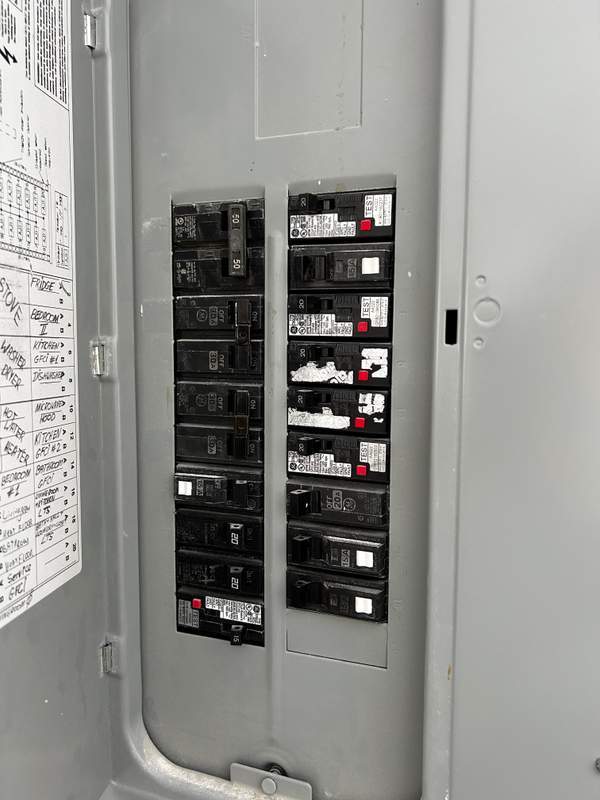
- Condition and age of the electrical panel
- Proper installation of energy-efficient lighting and appliances
Recommendations often include upgrading to energy-efficient systems and appliances, which not only enhance safety but also reduce energy consumption.
Best Practices for Homeowners
Homeowners should regularly conduct basic checks to maintain electrical safety, such as:
- Testing ground fault circuit interrupters (GFCIs) monthly
- Monitoring for flickering lights, which can indicate wiring issues
- Ensuring outlets and switch plates are cool to the touch
These practices, combined with periodic professional inspections, can significantly reduce the risk of electrical mishaps.
In conclusion, electrical safety and efficiency are critical components of home maintenance. Regular professional inspections not only safeguard against hidden dangers but also contribute to the long-term value and enjoyment of a property. Engaging with professional home inspection services ensures peace of mind, protecting both the home and its inhabitants.
Recent Comments